In this guide
how long does hip bursitis last
With the right exercise program, many people with hip bursitis improve noticeably within about two months. Without targeted care, it can linger for many months, and about half of people still have symptoms up to a year later. Most so-called bursitis is really a gluteal tendon problem, which is why rest and cortisone alone often fall short.
Is it really bursitis?
For decades, pain at the point of the hip was blamed on an inflamed bursa, the small fluid-filled cushion that sits over the bone. Imaging and surgical studies have since shown that most cases come from the gluteus medius and minimus tendons, which attach at that same spot. Doctors now call the whole picture greater trochanteric pain syndrome, and the tendon part gluteal tendinopathy.
A review in the British Journal of General Practice explains that the tendons get squeezed against the bone when the hip drifts inward, such as when you cross your legs, stand with your weight on one hip or lie on your side. Weak hip muscles make that squeeze worse. That is why the fix is mostly about load and strength.
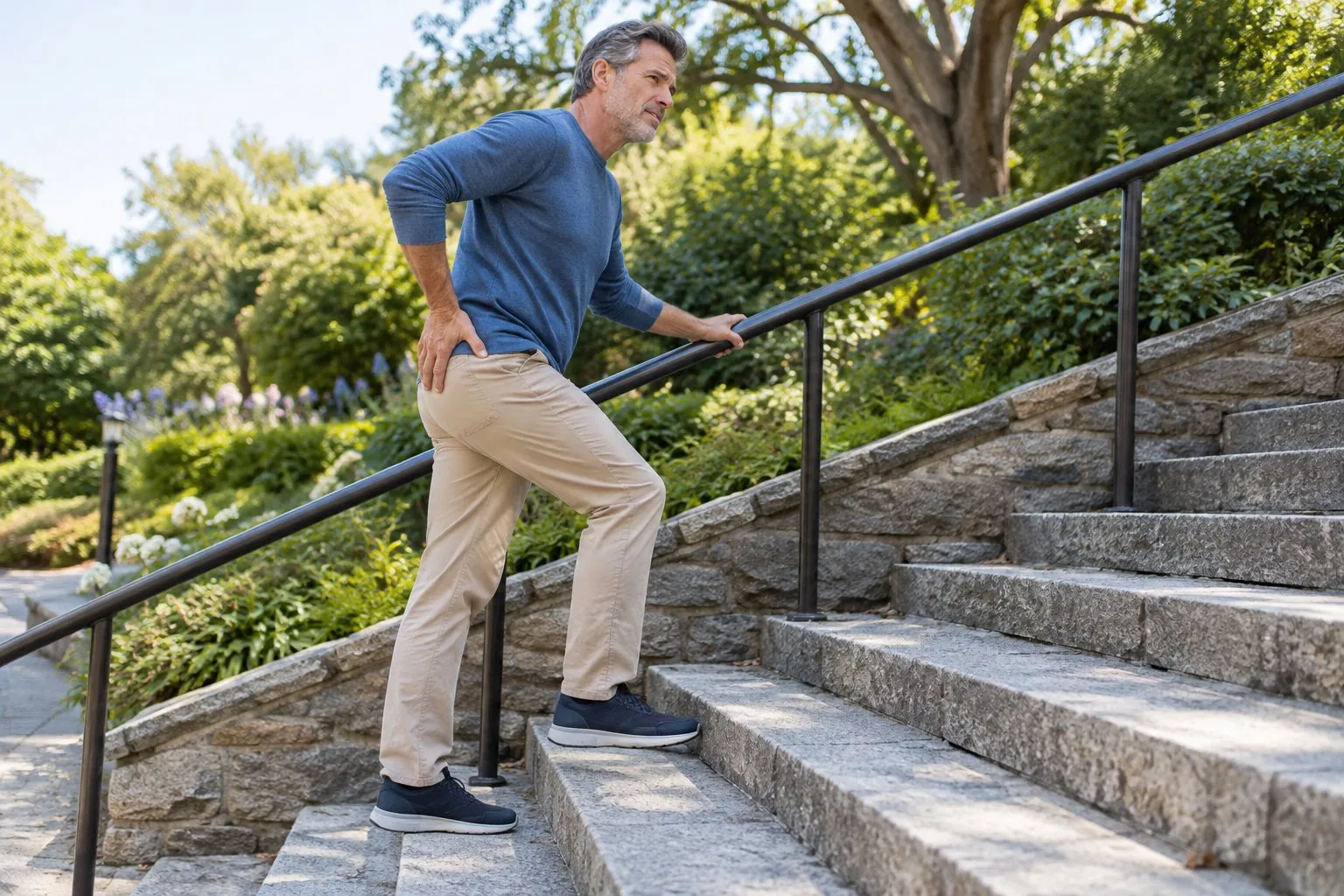
Typical signs include pain at the bony point of the hip that may spread down the outside of the thigh, pain when lying on that side, and pain getting up from a chair after sitting. OrthoInfo notes it is more common in women and in middle-aged and older adults.
How long does hip bursitis usually last?
Timelines vary, but research gives a useful picture of what to expect.
Recovery rarely moves in a straight line. Expect good weeks and flare days, especially after a long walk, a day of yard work or a night on the wrong side. Judge progress by the trend over several weeks: less night pain, easier stairs and longer walks before the ache starts. A flare does not mean the plan has failed, though a steady slide backward is a reason to check in.
- With a structured exercise and education program, Cleveland Clinic reports about 7 in 10 people improve significantly within eight weeks.
- Without targeted treatment, about half of people get better on their own, though that can take up to a year.
- When the tendons keep getting irritated, symptoms can drag on for many months or longer.
- A cortisone shot often brings relief within days to weeks, but the effect on its own tends to fade.
“Outside-of-hip pain usually gets better once we stop squeezing the tendon and start strengthening it.”
What does the research say works?
The most helpful study is a randomized trial published in The BMJ that compared education plus exercise, a cortisone injection, and a wait-and-see approach in people with gluteal tendinopathy. At eight weeks, 77 percent of the exercise group reported success, compared with 58 percent after an injection and 29 percent with waiting.
At one year, the exercise group still led on overall improvement at 79 percent. The injection group, at 58 percent, was no longer different from the people who simply waited. Both active treatments eased pain more than waiting, yet only the exercise approach kept its lead on overall recovery.
What helps hip bursitis heal faster?
Small daily habits matter as much as the exercises. The goal is to stop squeezing the tendons while you gradually make them stronger.
A good program starts gently, often with exercises where you press the leg outward against resistance without moving the hip, then progresses to standing work like bridges, step-ups and single-leg balance. The load increases a little each week. Mild discomfort during exercise that settles by the next day is usually acceptable, while pain that lingers or disturbs sleep means the dose needs adjusting.
- Avoid crossing your legs, sitting in low chairs and standing with your weight on one hip.
- Sleep on your back or on the other side with a pillow between your knees.
- Skip stretches that pull the leg across the body, such as IT band stretches, while the tendon is sore.
- Do a progressive strengthening program for the gluteal muscles, ideally guided by a physical therapist.
- Build walking back up gradually, choosing flat ground and limiting long stair climbs at first.
- Lose weight if needed, which reduces load on the tendons.
Why won't my hip bursitis go away?
The most common reasons are habits that keep compressing the tendon, an exercise plan that is too easy, too aggressive or stopped too soon, and relying on cortisone injections alone. The British Journal of General Practice review notes that injections bring short-term relief in most people, yet at 12 months their results look similar to watching and waiting.
Repeated injections carry their own concerns. OrthoInfo advises limiting the number, because long-term use may damage surrounding tissue, and cortisone near a tendon can weaken it. An injection is most useful as a window of relief that makes it easier to start strengthening.
Sometimes the diagnosis needs a second look. Lower back problems, hip arthritis and a torn gluteal tendon can all cause pain in the same area. A tendon tear may cause a limp and real weakness, and some of these tears are repaired surgically.
What if exercise and an injection have not worked?
For pain that has lasted many months despite a good program, other options exist. Shock wave therapy has shown some promise. Platelet-rich plasma (PRP) injections are another option some patients consider, and our team will walk through the evidence and costs honestly.
Surgery is rarely needed. When imaging shows a significant gluteal tendon tear, or long-standing pain has failed thorough non-surgical care, a tendon repair or removal of the bursa may be discussed. OrthoInfo notes these procedures are usually done as outpatient surgery.
When should I see someone about hip bursitis?
Book an exam if outside-of-hip pain has lasted more than a few weeks, keeps you from sleeping on your side, makes you limp or keeps returning after injections. Seek same-day care for hip pain with fever, a red and swollen hip, or pain after a fall with trouble bearing weight.
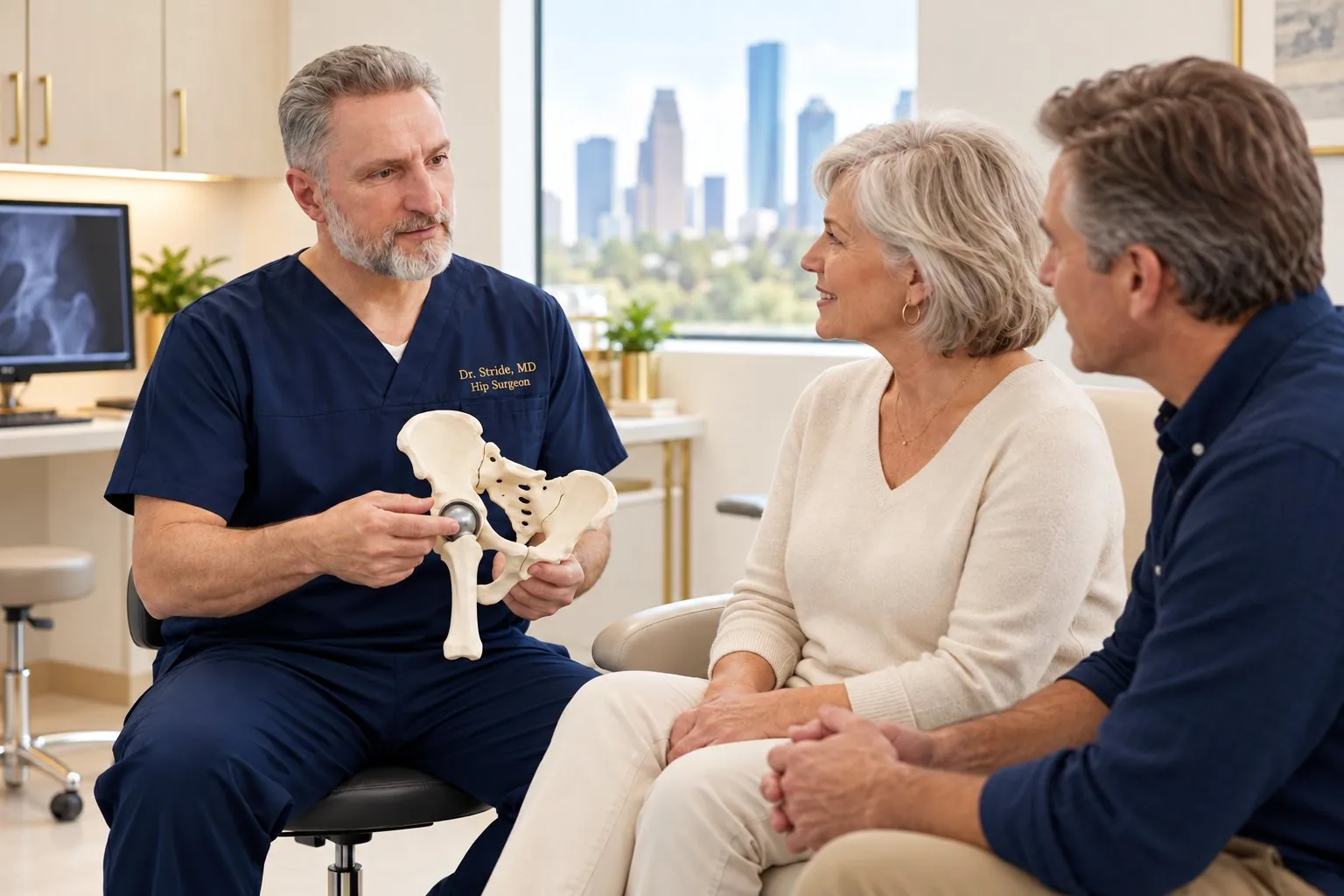
At the Saturday Hip Pain Clinic, our team confirms whether the pain is tendon, bursa, joint or back, then builds a plan that starts with the treatments most likely to keep the pain away. Bring any past imaging and a list of injections you have had.
Questions patients ask
Can hip bursitis go away on its own?
Sometimes. About half of people improve without treatment, but it may take up to a year. A targeted exercise program usually gets results much faster.
How many cortisone shots can I get for hip bursitis?
There is no fixed number, but doctors limit them because repeated injections may damage surrounding tissue. Studies show injections help in the short term but not more than waiting at one year. They are most useful paired with strengthening.
Should I stretch my IT band for hip bursitis?
Usually not while the hip is sore. Stretches that pull the leg across the body can squeeze the gluteal tendons against the bone. A physical therapist can show you safer ways to keep the hip moving.
SourcesReferences5
Medically reviewed by Dr. Stride, MD. How we write and review content. This guide is educational and does not replace an exam.
- Hip Bursitis (opens in a new tab) AAOS OrthoInfo
- Greater trochanteric pain syndrome: a review of diagnosis and management in general practice (opens in a new tab) British Journal of General Practice (PMC)
- Gluteal Tendinopathy: Symptoms, Causes & Treatment (opens in a new tab) Cleveland Clinic
- Education plus exercise versus corticosteroid injection use versus a wait and see approach on global outcome and pain from gluteal tendinopathy: prospective, single blinded, randomised clinical trial (opens in a new tab) The BMJ
- Cortisone Shot (Steroid Injection) (opens in a new tab) AAOS OrthoInfo